
What an au pair does
in China.
Your week combines Mandarin study, meaningful time with children and shared host-family life—within a clear schedule of approximately 30–35 contribution hours.
Updated August 2026 · Reviewed by the Yohoo China program teamBe a responsible international older sibling: share English naturally, engage the children after school and take part in family life while studying Mandarin and discovering China.
Mandarin during the day, family time after school.
From Monday to Friday, au pairs generally attend Mandarin classes during the day. Course attendance varies by city and the enrolled language school, but usually involves three to five class hours per week.
After the children return from school, the au pair spends time with them until bedtime. This can include natural English conversation, reading, games, creative activities, school routines and age-appropriate interaction agreed with the parents.
Mandarin learning
Attend the enrolled language school and use daily life in China to practise what you learn.
Children and English
Build confidence through conversation, reading, play and shared interests—not formal classroom teaching.
Family routine
Support agreed after-school and bedtime rhythms while communicating clearly with parents.
30–35 hours
Family contribution totals approximately 30–35 hours within the schedule confirmed for the placement.
Rest and recharge
Rest time is normally arranged on weekdays, leaving space for personal plans, study and friends.
Family experiences
Join outings, travel, cultural moments and interactive time with the children on weekends and holidays.
Care, learning and culture—not domestic work.
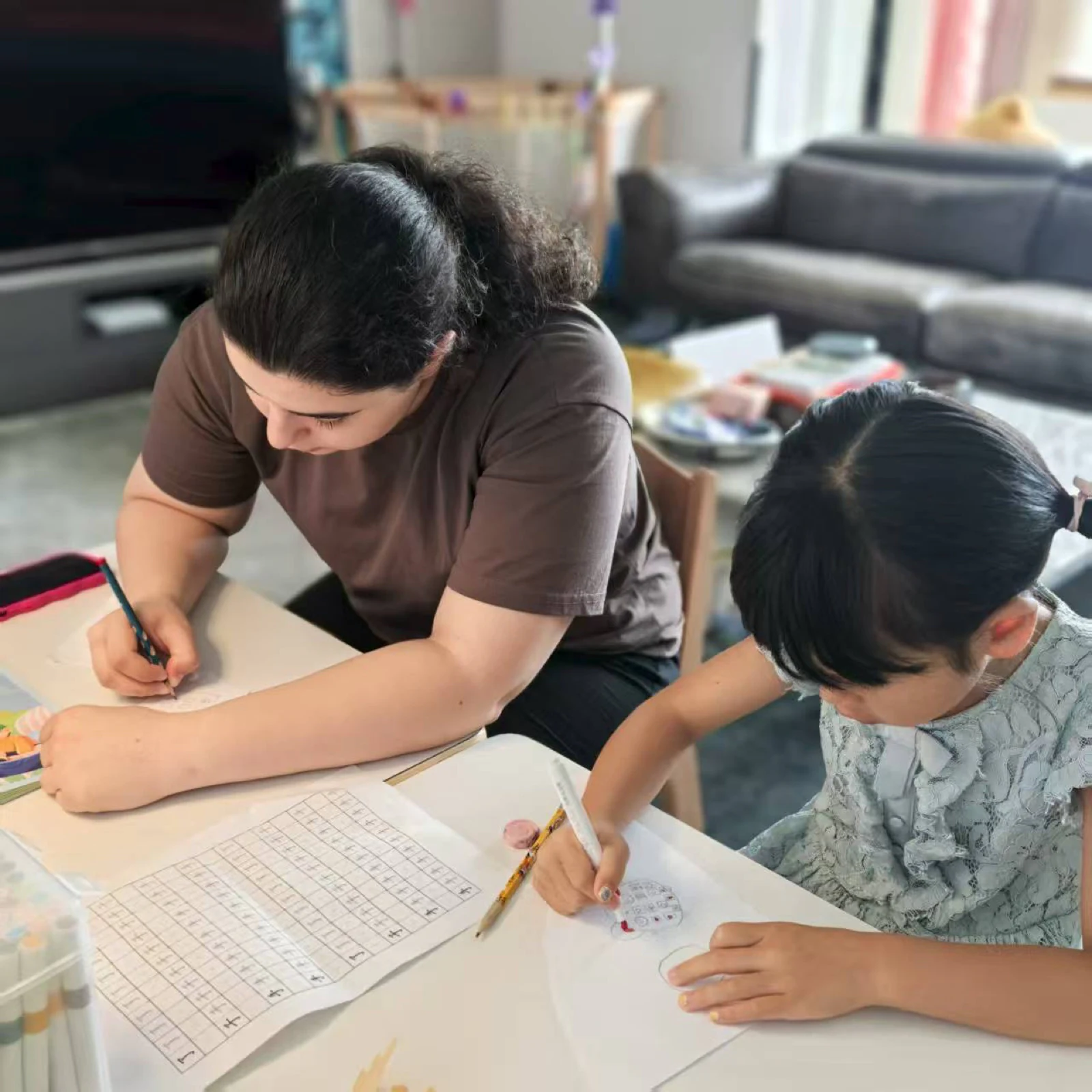
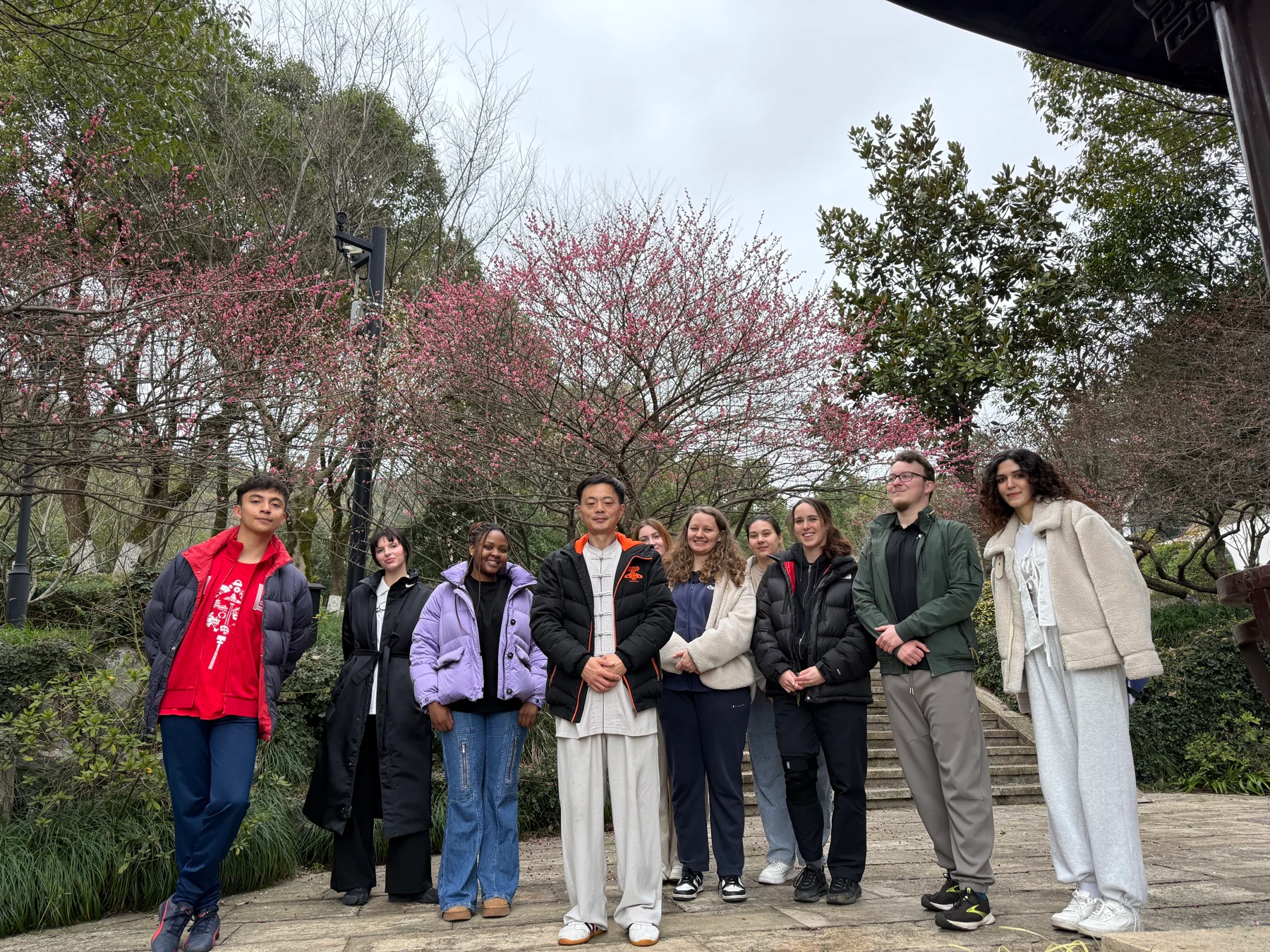
Clear expectations make the exchange work.
Before placement, the au pair and host family discuss the children’s ages, usual routines, contribution hours, rest time and household expectations. Responsibilities should remain connected to children, language exchange and appropriate shared family life.
Schedules can vary between families and cities. Communicate early when something is unclear. Yohoo supports expectation-setting before arrival and ongoing follow-up during the program.
Bring curiosity, consistency and your own culture.
Children learn most naturally when interaction feels real. Share stories, games, celebrations, music and everyday expressions from your culture. At the same time, stay open to the household’s customs, rules and ways of communicating.
The goal is not simply to complete hours. It is to build trust, help children feel comfortable using English and become part of a respectful cross-cultural relationship.
Answers before
you apply.
How many hours does an au pair contribute each week?+
The normal family contribution is approximately 30–35 hours per week, based on the schedule agreed with the host family.
When do au pairs attend Mandarin classes?+
Classes are generally held during weekdays. Depending on the city and enrolled language school, participants usually receive three to five class hours per week.
When are the weekly rest days?+
Au pairs receive 1.5 rest days per week. These are usually scheduled between Monday and Friday because weekends and holidays often follow the host family’s activity rhythm.
Do au pairs work on weekends?+
Weekends and public holidays are generally spent in family activities and interaction with the children. The exact plan should be discussed with the family in advance.
Is an au pair a domestic worker?+
No. The role is a cultural exchange placement focused on language sharing, children and family life, not general domestic employment.